


Healthcare Policy
Tears, Suffering and System Failure: What My Father’s Pain Revealed About the Canadian Healthcare System
Abstract
Background: Despite universal healthcare, Canadian cancer patients continue to face preventable suffering linked to diagnostic delays, fragmented care and unmet symptom needs.
Objective: To analyze one patient's cancer journey through established quality frameworks and translate findings into evidence-informed policy reforms.
Methods: A narrative of advanced cancer care was examined using five intersecting frameworks: (1) high-reliability organizations; (2) patient-centred care; (3) value-based care; (4) quality improvement; and (5) systems thinking. These frameworks were applied to identify system-level failures and policy gaps.
Results: Analysis revealed system failures linked to diagnosis communication, care coordination, symptom response and access.
Conclusions: Four reforms are proposed to strengthen reliability and compassion in cancer care by treating suffering as a clinical emergency.
Introduction
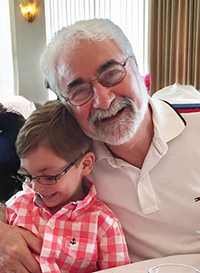
Have you ever seen your dad cry? I have. And I will never forget it. He cried not from weakness, but from relentless pain, and from the exhaustion of being unheard. For me, that moment was more than personal heartbreak; it was a professional reckoning. As a nurse, I knew how to advocate, navigate and translate suffering into clinical language. Yet, even with healthcare vocabulary at my fingertips, I could not get him the care he needed. This is not one patient's misfortune. It is the story of a system failing the very people it claims to serve. My father's experience echoes across Canada, in emergency departments (EDs) that discharge patients in unmanaged pain, in clinics where protocols delay diagnosis and in policies that prioritize documentation over human connection. His journey revealed what happens when healthcare becomes rigid, reactive and fragmented. He endured delayed diagnosis, poor care coordination, repeated dismissal of his pain and algorithmic pathways that left no room for urgency or nuance. His suffering was not an outlier; it was the predictable outcome of a system that lacks patient-centredness (HEC 2023c), high-reliability principles (AHRQ 2016; Weick and Sutcliffe 2015) and value-based design (Berwick et al. 2008; HEC 2021; Teisberg et al. 2020). However, it could be different, and it should be.
Background and Significance
Nearly 250,000 Canadians were projected to receive a new cancer diagnosis in 2024, and approximately two in five will face cancer in their lifetime (Canadian Cancer Society 2024). For many, pain becomes a persistent and debilitating companion, eroding dignity, disrupting sleep and all too often remains inadequately treated. A recent systematic review found that approximately 32% of patients with cancer-related pain remain undertreated, with pain prevalence reaching 64% in those with advanced or terminal disease (Zhang 2022). This pattern of inadequate pain management has been well documented for a decade. It highlights a systemic issue that continues to persist despite mounting evidence and advocacy (CPTF 2020; Greco et al. 2014). Early palliative care (EPC) refers to palliative interventions introduced within weeks to months of an advanced cancer diagnosis. It is often delivered alongside curative or disease-directed treatments and has been conceptualized using time-based, symptom-based and prognosis-based models (Kircher et al. 2025). Although EPC has been shown to improve patient outcomes, it remains inconsistently integrated into standard oncology pathways. A 2024 randomized clinical trial demonstrated that patients who received 10 or more EPC sessions experienced significantly improved survival, along with enhanced coping and self-management strategies (Kang et al. 2024). The issue is no longer a lack of evidence, but rather a failure of translation, coordination and system accountability.
The consequences extend far beyond individual suffering. Chronic pain is estimated to cost the Canadian healthcare system between $38.2 and $40.3 billion annually, driven largely by preventable ED visits and hospital admissions. Many of these costs could be reduced through timely, coordinated and outpatient pain management (CPTF 2020). These statistics are not abstract, they reflect real people, like my father, who are caught in a system that delays diagnosis, fragments care, and too often minimizes suffering until it becomes a crisis. His story is not unique, it reflects a broader pattern of systemic dysfunction. Without deliberate, patient-centred redesign grounded in safety and value, the system will continue to fail those who need it most.
Methods
This narrative case analysis was informed by reflective practice and guided by five intersecting healthcare quality frameworks: (1) high-reliability organizations (HROs) (Weick and Sutcliffe 2015); (2) patient-centred care (PCC) (Institute of Medicine 2001); (3) value-based care (VBC) (Porter and Lee 2013); (4) quality improvement (QI) (Langley et al. 2009); and (5) systems thinking (Senge 2006). Collectively, these frameworks are grounded in Deming's System of Profound Knowledge, which emphasizes systems thinking, understanding variation, theory of knowledge, psychology, continual improvement, and respect for people (Deming 1986, 1993). The analysis focuses on one patient's cancer care journey between 2020 and 2025, observed directly by the author in the dual role of registered nurse and family caregiver. Data sources included contemporaneous field notes, medical documentation and lived observation, which together informed a reflective ethnographic approach. Framework-guided thematic mapping was used to identify systemic failures across the care trajectory. Each framework served a distinct analytic purpose. HRO principles were used to assess reliability and front-line responsiveness. PCC principles evaluated dignity and alignment with patient needs. VBC examined care outcomes relative to resource use. QI tools highlighted missed opportunities for timely improvement. Systems Thinking, informed by Deming's systems perspective, was used to diagnose interconnected system-level inefficiencies (Deming 1986). This integrative approach combined narrative analysis with empirical evidence from systematic reviews, meta-analyses and Canadian policy reports published between 2015 and 2024. Table 1 synthesizes the policy failures revealed in the case and maps them to the quality frameworks applied, supporting analysis of recurring dysfunctions in Canadian cancer care.
| TABLE 1. System failures mapped to frameworks, policy gaps and reform pillars | ||||
| Observed Failure | Mapped Framework(s) | Policy Gap | Reform Pillar | Supporting Evidence |
| Delayed diagnosis despite worsening symptoms |
|
Fragmented diagnostic pathways; inconsistent triage of escalating symptoms | Pillar 1: EPC | EPC improves survival and symptom control; early referral remains inconsistent (Kircher et al. 2025; Seow et al. 2022; Temel et al. 2010). |
| Inability to access urgent care despite severe pain |
|
Lack of standardized urgent symptom pathways | Pillar 2: Urgent symptom response | Rapid-access symptom pathways reduce uncontrolled pain and ED visits; Canadian gaps persist (HEC 2023a; Sanders et al. 2024; Seow et al. 2022). |
| Poor communication and care coordination |
|
Limited interdisciplinary integration; siloed communication | Pillar 3: Coordinated interdisciplinary care | Case conferences and team-based models improve outcomes; coordination gaps documented nationally (CIHI 2023; CPAC n.d.; HEC 2021). |
| Unequal access to palliative, oncology and diagnostic services |
|
Regional inequities and variable access to evidence-based care | Pillar 4: Equitable access to evidence-based care | Persistent inequities in access to evidence-based care (Conference Board of Canada 2023; CPAC n.d.; Fundytus et al. 2020). |
| ED = emergency department; EPC = early palliative care; HROs = high-reliability organizations; PCC = patient-centred care; QI = quality improvement; VBC = value-based care. | ||||
Pre-diagnosis: How the story began
In late 2019, my father began experiencing urinary issues, frequent urges, discomfort and what he described as “something just not feeling right.” His prostate-specific antigen (a blood test used to help detect or monitor prostate cancer) was elevated, but follow-up moved slowly. Then the COVID-19 pandemic hit, and his referral to a urologist was cancelled. He was told a phone consult would suffice, no physical exam, no testing, no chance to describe his symptoms face-to-face or receive thoughtful follow-up. Between March and July 2020, his symptoms worsened. Still, there were no in-person appointments and no system to flag urgency. When he finally insisted on a face-to-face visit in July, a cystoscopy was performed, but no biopsy. He was told to come back in December. With no escalation and no clear plan for reassessment, he was left to wait without direction, despite ongoing symptom progression and growing concern.
The emergency visit that changed everything
In early November 2020, my father presented to the ED with escalating abdominal pain. Due to the COVID-19 pandemic restrictions, I was not permitted to accompany him. A scan was ordered, and a physician briefly remarked that there was “a spot on the pelvis and spine.” No further explanation was offered. He was instructed to arrange an appointment at the cancer clinic and discharged home, still in pain, without pain medication and without any form of supportive guidance. It was only after reviewing the discharge documentation ourselves that we learned the full extent of the findings: the scan had revealed metastatic cancer.
The following day, I filed a formal complaint and accompanied him back to the hospital. I explicitly insisted that someone have the decency to sit with my father and explain the scan results, a conversation that should have occurred as a fundamental act of human empathy. Only then did a different physician meet with us, review the findings in detail, and communicate the diagnosis with clarity and compassion. Although this second encounter reflected what PCC can look like, the damage had already been done. That first visit, marked by isolation, confusion and dismissal, left a permanent emotional scar on both of us.
That moment exemplifies a system that too often fails to respond to the distress it creates. In my father's case, the harm did not begin in the ED; it was the culmination of months of fragmented care, cancelled referrals and missed opportunities for timely assessment during the COVID-19 pandemic. When a diagnosis was finally made, it was communicated without context, clarity or support. PCC demands not only diagnostic accuracy but also human presence, clear communication and trust, as emphasized by the Canadian Patient Safety Institute, now part of Healthcare Excellence Canada (CPSI 2020). What my father encountered instead was a bureaucracy guided more by throughput than empathy, one that prioritized efficiency over connection and left a man in pain to fend for himself.
His experience reflects a broader pattern. This episode illustrates how fragmented pathways, delayed diagnosis and inadequate diagnostic communication interact to produce avoidable harm. Evidence shows that even a four-week delay in cancer treatment is associated with a 6–8% increase in mortality, underscoring the danger of these structural gaps (Hanna et al. 2020). Yet in Canada, delayed diagnosis remains common and is often not treated as urgent until irreversible harm has already occurred, as documented by the Canadian Partnership Against Cancer (CPAC n.d).
Bridging the system and the story
To understand how these failures unfold in real time, and what they reveal about the broader system, I turn to my father's cancer journey. Throughout this difficult period of illness and care, I was present for nearly every step, documenting events as they occurred. His experience is not merely anecdotal; it represents a lived case study of how Canadian healthcare processes can fail patients and families across diverse care settings today. The following section traces his care journey using documented events and reflective observations to examine where breakdowns occurred.
Treatment that listened to the guidelines but not the patient
Over the next three years, my father received treatment that adhered to national guidelines and standard-of-care protocols. Initially, it helped. As his condition progressed, however, the benefits diminished and his options narrowed. When chemotherapy was recommended as the next step, he did not resist out of fear, he simply wanted to understand his options, so he asked about clinical trials.
The response was abrupt: nothing available locally. No one explored national databases, cross-jurisdictional opportunities or offered to connect him elsewhere. There was no navigation support and no follow-up.
Before reaching out internationally, he had raised the possibility of enrolling in the very clinical trial he later accessed in the US with his Canadian oncologist but was informed he was not a candidate. No alternative Canadian trials or interprovincial options were discussed. Delays in care planning and the absence of coordinated treatment pathways ultimately contributed to his decision to seek care across the border. So, he did it himself. He contacted a comprehensive cancer centre in the US and completed an online intake form. A care coordinator called him within days. Within weeks, a consultation with his new oncologist was scheduled, and within a month, he had a comprehensive treatment plan. This contrast illustrates how gaps in coordinated access to clinical trials undermine VBC principles and exacerbate geographic inequities in cancer treatment. A truly value-based healthcare system does not make access to innovation contingent on postal codes or personal persistence (Conference Board of Canada 2023; HEC 2021). It builds the infrastructure needed to connect patients with appropriate care and acts swiftly to support them. When care is fragmented, even evidence-based treatment loses its effectiveness. When coordination fails, the consequences are not only clinical, they are deeply human. A systematic review spanning three decades found that care coordination interventions nearly double the odds of appropriate healthcare utilization (odds ratio = 1.9; Albertson et al. 2022). Yet, no such coordination emerged for my father. His care followed the algorithm but failed to see the person. What happened next revealed the impact of a different approach, one that listened first.
From fragmentation to connection
At the new facility, my father was met with attentiveness and respect. The consultation was comprehensive, lasting nearly four hours, with the lead oncologist spending more than an hour with him alone. She sat with him, listening intently to his full health story without interruption. She asked questions that no one had asked before and invited details that had previously been dismissed. For the first time since his diagnosis, he felt that his experience mattered, not just his disease.
That encounter marked a turning point. Beyond reviewing scans or treatment options, she helped him make sense of what had been happening to his body and why. In doing so, she restored something that had been steadily eroded by months of fragmented care, a sense of clarity, dignity and hope. Hope did not come from false reassurance or unrealistic promises, but from being taken seriously by someone willing to see the whole picture.
This stood in stark contrast to his experience in Canada, where his comorbidities were repeatedly minimized or sidelined once cancer became the dominant focus of care. They were rarely explored, never meaningfully addressed and implicitly treated as secondary, despite their clear impact on his overall health and quality of life. What this oncologist demonstrated was not extraordinary medicine, but what becomes possible when care is relational, integrative and grounded in genuine attention to the person behind the diagnosis. For that, we remain deeply grateful.
A cry for relief, met with silence
In early 2025, my father developed sudden and severe pain in his lower back and leg. It escalated rapidly. Sleep became impossible, and neither over-the-counter nor prescribed medications provided relief. A radiologist at the cross-border facility suspected sciatic nerve compression and recommended further imaging. At the same time, we contacted his local family physician to request long-acting pain medication. The response was unequivocal: “I don't like prescribing that type of medication.” No alternatives were offered. No plan was proposed. No follow-up occurred.
As the days passed, his suffering intensified. I brought him to his next local oncology appointment several days later, where he arrived in visible distress. I had called ahead, explained the situation and explicitly requested urgent support, pain management and a palliative care consultation. When I picked him up that morning, he was in tears, not from weakness, but from exhaustion, frustration and relentless, unrelieved pain. At the appointment, he described his symptoms, his lack of sleep and the severity of his pain. Still, no referrals were made. No injectable pain medication was offered. We were told to wait for imaging. Once again, he was sent home without meaningful relief and without coordinated support. This was not a one-time oversight; it was systemic paralysis. A failure to act in the presence of visible suffering, driven by a system that defaults to confirmation before compassion. Pain, even severe and escalating pain, was insufficient to trigger a coordinated response.
And this experience is not unique. Evidence shows that nearly half of people with cancer experience undertreated pain, and approximately one-third receive inadequate analgesia despite the existence of clear clinical guidelines (CPTF 2020; Greco et al. 2014). Earlier systematic reviews concluded that there had been little substantive progress in cancer pain management over several decades, despite abundant evidence. More recent meta-analyses demonstrate modest reductions in pain prevalence and severity, yet nearly half of patients continue to experience cancer-related pain, with roughly one-third reporting moderate to severe pain. These findings underscore persistent gaps in pain assessment, escalation and treatment (Snijders et al. 2023). This is not simply a clinical failure; it is an ethical and policy failure. If PCC is to be taken seriously, suffering must be recognized as an emergency, not a downstream problem. The person-centred care framework articulated by Healthcare Excellence Canada emphasizes responsiveness to pain, fear and distress, not only to pathology or diagnostic confirmation (HEC 2023b).
A system that finally responded, but it was not ours
Eventually, we returned to the cross-border facility, this time seeking symptom relief rather than disease-directed treatment. It was only then that everything changed. His pain was taken seriously. His suffering was treated as urgent. Within hours, he was admitted, scanned and diagnosed with tumour progression compressing both the sciatic and lumbar nerves, exactly what we had suspected. Radiation was initiated immediately, and a coordinated pain management plan was put in place.
Crucially, a palliative care specialist was added to his plan of care. Once again, a kind and compassionate physician took the time to sit with my father, to listen to his story and to understand who he was beyond his diagnosis. The palliative care consultation was not rushed or transactional. It was relational. His symptoms were addressed, but so was his fear, his exhaustion and his need to be understood. The impact of that encounter was profound. For the first time in weeks, he felt seen. He felt heard. He felt human again.
After nine long, exhausting days, his symptoms were finally under control. It should not have come to this. My father should not have had to leave his own country to receive timely, compassionate and multidisciplinary care. His suffering was preventable. What continues to haunt me is that even as a nurse, someone trained to advocate, to navigate systems and to recognize red flags, I could not secure that care for him at home. If I could not, what happens to those who face the system alone?
This disparity is not anecdotal; it reflects a deeper structural failure. Canadian evidence demonstrates that access to pain management and supportive care remains uneven across provinces, with fragmented pathways and inconsistent availability of palliative services leaving many patients without timely relief (CIHI 2023; CPTF 2019). By contrast, high-performing cancer systems elsewhere demonstrate what is possible when care is relational, coordinated and responsive. This is the promise of truly PCC and VBC, one that treats the whole person, not just the diagnosis (HEC 2021, 2023c; Teisberg et al. 2020).
It is also important to acknowledge that my father's journey was shaped by the presence of an advocate who could navigate complex systems, coordinate care across borders and persist through escalation. Many patients do not have this support. Their suffering may remain invisible within fragmented systems, raising urgent questions about equity, access and whose pain is allowed to be seen.
Discussion
My father's experience is not simply a personal tragedy; it is a case study in how the Canadian healthcare system fails to deliver on the quality frameworks it publicly espouses. Concepts such as PCC, VBC and high reliability are embedded in policies, strategic plans and accreditation language, yet their enactment remains uneven and fragmented. The gap between aspiration and lived patient experience persists. These failures are not isolated incidents; they are systemic. From a systems thinking perspective, the delays, fragmentation and unrelieved suffering described in this case are not random breakdowns. They are predictable outputs of a system designed without sufficient integration, feedback loops or accountability mechanisms. When referrals are cancelled without follow-up, when comorbidities are sidelined once cancer becomes the dominant focus, when pain is dismissed until diagnostic confirmation is achieved, harm becomes an expected outcome rather than an exception. Transforming personal tragedy into meaningful change requires critically examining how healthcare quality frameworks are operationalized within a connected, learning health system, rather than treating them as aspirational ideals.
Although the five frameworks guiding this analysis are presented individually, they function as an interconnected whole. Tensions can emerge, for example, between standardization, a core principle of HROs, and the flexibility required for PCC. However, these principles are not inherently incompatible. When appropriately aligned, standardization supports safety and reliability, while adaptability allows care to respond to individual needs. Systems thinking offers the meta-lens to identify where alignment breaks down, and QI provides the structured mechanism to repair those fractures.
High-reliability organizations
Healthcare, similar to aviation, operates in a high-risk environment. Unlike aviation, however, healthcare continues to tolerate a level of avoidable harm that is often normalized as inevitable. HROs maintain safety in complex settings by adhering to five core principles: preoccupation with failure, reluctance to simplify, sensitivity to operations, commitment to resilience and deference to expertise (AHRQ 2016). These principles are particularly relevant in oncology and pain management, where clinical trajectories are unpredictable and delays carry serious consequences. In Canada, HRO principles have been adapted through initiatives such as SHIFT to Safety, a national program led by Healthcare Excellence Canada aimed at embedding safety culture and front-line responsiveness across health systems (HEC 2023a). However, implementation remains highly variable across provinces and care settings. When patients are discharged in severe pain, when warning signs are repeatedly overlooked and when systems prioritize diagnostic certainty over timely human response, these are not markers of high reliability. They reflect a safety culture that remains reactive rather than anticipatory, and procedural rather than person-centred (HEC 2023b). In this case, failures of reliability were evident at multiple points: delayed escalation, lack of deference to clinical cues and insufficient responsiveness to front-line distress. These are not failures of individual clinicians alone, but of system design that does not consistently support safe performance under pressure.
Patient-centred care
The Institute of Medicine (2001) defines PCC as care that is respectful of, and responsive to, individual patient preferences, needs and values, precisely what my father was unable to access until he crossed the border. Canada's own person-centred care framework is anchored in the principle of “Nothing about me without me” (HEC 2023c); however, in practice, this commitment often functions more as a slogan than as a standard. Recent guidance goes further. The American Society of Clinical Oncology (ASCO) explicitly affirms that caregivers belong within the therapeutic circle and that their needs should carry weight alongside clinical indicators (Sanders et al. 2024). Yet, across care settings, both patient and caregiver voices are frequently treated as optional rather than essential. In Canada, findings from the Canadian Patient Experiences Survey consistently demonstrate persistent gaps in communication, involvement in decision-making and responsiveness to patient concerns (HEC 2023d). While these data are routinely collected, they are too often used for reporting and benchmarking rather than to drive real-time improvement. Until patient and caregiver feedback is treated as a mechanism for learning and change, rather than as a compliance exercise, PCC will remain an aspiration we reference rather than a reality we reliably deliver.
Value-based care
In a publicly funded healthcare system, VBC, defined as outcomes achieved relative to resources expended, should be a natural fit (Teisberg et al. 2020). In Canada, the value-based healthcare collaborative, led by Healthcare Excellence Canada, represents an important step toward operationalizing these principles across health systems (HEC 2021). However, implementation remains uneven. Provincial uptake varies, equity gaps persist and access to high-value care continues to depend more on geography than on clinical need.
Drawing on a literature review that included systematic reviews, meta-analyses and randomized controlled trials published between 2015 and 2023, the evidence informing the 2024 ASCO guideline indicates that EPC is associated with improved quality of life, reduced psychological distress and more goal-concordant decision-making (Sanders et al. 2024). These outcomes are not ancillary; they are core indicators of value. My father's experience underscores that VBC cannot be reduced to cost containment alone. Delays in care, fragmentation across providers and inadequately managed pain impose significant financial strain on health systems while inflicting profound human suffering (Fundytus et al. 2020; HEC 2022). In truly value-based systems, quality of life, timely access to care and relief of suffering are weighted alongside survival outcomes. When these dimensions are neglected, systems may technically deliver treatment, but fail to deliver value.
Quality improvement
QI should serve as the engine that moves these frameworks from principle to practice. Across Canada, many healthcare organizations and provinces have adopted the Institute for Healthcare Improvement's (n.d.) Model for Improvement and use plan-do-study-act cycles to guide change, adapting these methods to local contexts. Initiatives such as Safer Healthcare Now! and provincial Connected Care strategies demonstrate what is possible when improvement work is embedded directly into clinical practice. However, meaningful improvement requires a willingness to confront failure. When patients in visible distress are told to wait, when pain is dismissed and when requests for support go unanswered, these are not isolated lapses; they are data points demanding QI action. Canada's Quality and Patient Safety Framework identifies care as needing to be safe, effective, timely, equitable, culturally safe and patient-centred (HEC 2023d). My father's care trajectory exposed gaps across each of these domains. Table 1 synthesizes these failures, linking observed breakdowns to quality frameworks and identifying the policy gaps and reform levers required to address them. Without this kind of deliberate, framework-guided learning, systems risk repeating the same failures while believing improvement is underway.
Systems thinking as a diagnostic lens for cancer care failure
The Canadian healthcare system exemplifies a core insight articulated in Out of the Crisis: every system is perfectly designed to produce the results it delivers (Deming 1986). My father's care trajectory, marked by delayed diagnosis, fragmented communication and persistent undertreatment of pain, was not a series of unfortunate events. It was the predictable outcome of a system whose structures, incentives and cultural norms embed delay and normalize suffering. Viewed through a systems thinking lens, these failures are not isolated missteps, but interconnected breakdowns that reinforce one another. Delayed referrals lead to diagnostic uncertainty, which in turn justifies inaction. Fragmented communication erodes accountability. Pain is deprioritized until confirmatory evidence is obtained, even when suffering is visible and escalating. Systems thinking makes clear that these patterns are structural, not individual.
This interpretation is supported by national evidence. A 2024 report from the Canadian Institute for Health Information confirms that persistent challenges such as prolonged wait times and fragmented care pathways are symptoms of system misalignment rather than clinician-level failure (CIHI 2024). Performance gaps are driven by poor alignment across provincial and territorial layers, particularly in data interoperability, care coordination and equitable access to services.
The consequences of these misalignments are especially evident in palliative and symptom-focused care. The ASCO 2024 guidelines identify structural inequities in access to palliative care and call for regionally appropriate, scalable models that integrate palliative expertise earlier in the disease trajectory (Sanders et al. 2024). When EDs discharge patients without adequate pain control, the ripple effects include avoidable revisits, increased costs and profound patient and family distress. When palliative care is treated as an afterthought rather than an integral component of cancer care, both comfort and system efficiency are compromised.
Evidence consistently demonstrates that earlier integration of palliative care improves outcomes while reducing system strain. A population-based study of more than 144,000 cancer decedents in Ontario found that introducing palliative care six to twelve months before death significantly reduced hospitalizations and healthcare costs (Seow et al. 2022). EPC is therefore not only clinically essential but also improves value by reducing acute care utilization and overall healthcare costs. Taken together, Deming's System of Profound Knowledge, encompassing appreciation for systems, understanding variation, theory of knowledge and psychology, combined with principles from HROs, PCC and VBC, provides a coherent foundation for designing cancer care that is accountable, integrated and humane.
From insight to action
Recognizing the systemic nature of these failures is only the first step. The more critical task is translating insight into action. Moving forward requires implementation strategies grounded not only in theory, but in what patients and families have repeatedly told us they need. To that end, I propose four interlocking reforms, referred to here as the four pillars of compassionate cancer care. These pillars are not abstract ideals. They are direct responses to the failures my father experienced, failures that remain common across Canadian cancer care. Table 1 maps these four pillars to the quality frameworks used in this analysis and identifies key leverage points for system-level reform.
Pillar 1: Automatic early palliative care referrals
The 2024 ASCO guidelines recommend that all patients with advanced cancer receive interdisciplinary palliative care early in the disease trajectory, rather than as a last resort (Sanders et al. 2024). This guidance reframes palliative care as a parallel, not sequential, intervention and directly challenges the entrenched “end-of-life only” model that continues to dominate practice. EPC focuses on relieving suffering, improving symptom control, reducing hospitalizations and enhancing quality of life alongside disease-directed treatment. Evidence consistently supports this approach. A randomized clinical trial found that patients who received EPC experienced improved quality of life at 18 weeks, and stronger coping skills and self-management capacity, outcomes that are routinely lost when referrals are delayed (Kang et al. 2024). Early integration is also cost-effective. A population-based Ontario study of more than 144,000 patients demonstrated that EPC reduced in-patient costs in the final month of life by more than $2,000 per person (Seow et al. 2022). Despite this evidence, access to EPC in Canada remains inconsistent and frequently delayed (CIHI 2023; Health Canada 2023). Provincial cancer programs should adopt automatic referral triggers at the point of metastatic or advanced cancer diagnosis. EPC must no longer be treated as optional; it should be embedded as a standard component of advanced cancer care pathways.
Pillar 2: Urgent symptom management protocols
While healthcare systems have established rapid-response pathways for conditions such as stroke and myocardial infarction, they continue to lack equivalent urgency protocols for uncontrolled cancer-related symptoms. Severe pain, dyspnea and escalating distress are often treated as tolerable until diagnostic confirmation or treatment exhaustion occurs. Healthcare Excellence Canada's person-centred care framework explicitly challenges systems to respond to suffering with the same clinical seriousness as other time-sensitive conditions (HEC 2023c). Consistent with this, the 2024 ASCO guidelines recommend that uncontrolled symptoms trigger immediate palliative care referral (Sanders et al. 2024). Clinical escalation should be driven by symptom severity and functional decline, not delayed until all disease-directed options are exhausted. Policy mandates are needed to establish a clear 24–48-hour response standard for uncontrolled symptoms in advanced cancer. Treating pain crises with the same urgency as stroke or myocardial infarction would signal a fundamental shift in how suffering is valued and addressed within cancer care.
Pillar 3: Interdisciplinary case planning within 30 days
Cancer care remains deeply siloed. Pain specialists rarely collaborate systematically with oncologists. Primary care is often excluded once cancer treatment begins. Psychosocial and spiritual supports are inconsistently integrated, if at all. The 2024 ASCO guidelines emphasize the importance of interdisciplinary teams that include nursing, social work, spiritual care, pharmacy and care coordination as core components of high-quality cancer care (Sanders et al. 2024). All patients with advanced cancer should receive a formal interdisciplinary case conference within 30 days of diagnosis. These conferences should include oncology, palliative care, primary care, psychosocial services and pharmacy, with shared responsibility for care planning. Evidence shows that when teams communicate and coordinate early, patients experience more timely, compassionate and coherent care (Heip et al. 2022; Mallon et al. 2024). Without structured interdisciplinary planning, patients are left to navigate fragmented systems alone, and predictable gaps in symptom control, communication and continuity persist.
Pillar 4: Redefining triage to include uncontrolled suffering
Current triage systems prioritize objective physiological data such as vital signs and laboratory results. Yet suffering, severe, destabilizing suffering, is often invisible to monitors. As a result, patients experiencing intense pain, dyspnea or psychological distress are frequently deprioritized until crises escalate. Canadian EDs are increasingly burdened by visits related to unmet outpatient needs. A recent Canadian Institute for Health Information report found that many ED visits stem from conditions better managed through timely primary or supportive care, including pain, anxiety and distress (CIHI 2025). These needs are often not recognized within traditional triage frameworks. Evidence from mental health care similarly demonstrates that high ED utilization is closely linked to unmet needs and delayed access to outpatient supports (Dion et al. 2024).
Uncontrolled suffering, including unrelieved pain, dyspnea and severe psychological distress, should be formally recognized as a triage category. Elevating suffering to the level of a clinical emergency would expose blind spots in resource allocation and force systems to respond earlier. Redefining triage in this way aligns emergency and oncology care with patient-centred models that treat suffering not as something to endure, but as a signal to act.
Scope and limitations
This article presents a single-case narrative reflecting the cancer care journey of one patient. It is not intended to be statistically generalizable but is used illustratively to illuminate systemic failures that are well documented in Canadian health policy and oncology literature. Grounded in firsthand observation and reinforced by national and international data, the narrative serves as a lens to examine broader patterns in care delivery, fragmentation and accountability.
Conclusion
The Canadian healthcare system is currently structured to delay rather than act, fragment care, prioritize efficiency over empathy and demand proof before offering relief. This is not just my family's story. It is the story of thousands. Patients, caregivers and clinicians are caught within structures that too often exclude the very people they are meant to serve. Yet change is possible. The frameworks exist. The evidence is clear. The moral imperative is undeniable. High-reliability practices, interdisciplinary care, value-based models and authentic patient partnership are not abstract ideals. They are actionable tools. What remains missing is the political courage and operational will to implement them consistently and at scale. Systemic dysfunction can no longer be tolerated or justified. Canada's healthcare system must be redesigned to prioritize responsiveness, dignity and trust, not only in principle, but in daily practice. Delay carries a human cost.
Have you ever seen your father cry? I have. And I will never forget it. What happened was not tragic because it was rare. It was tragic because it was the predictable outcome of the system's design. My father deserved better. So does yours. The system is speaking. The question is no longer whether change is needed. Canada must commit to redesigning its healthcare system so that consistent, predictable and humane outcomes are produced by design, not chance.
Larmes, souffrance et défaillance du système : ce que la douleur de mon père révèle sur le système de santé canadien
Résumé
Contexte: Malgré des soins de santé universels, les patients canadiens atteints du cancer sont toujours confrontés à une souffrance évitable liée aux retards diagnostiques, à la fragmentation des soins et à des besoins non satisfaits quant aux symptômes.
Objectif: Analyser le parcours d'un patient atteint du cancer à travers des cadres de qualité établis et transposer ces résultats en réformes politiques fondées sur les données probantes.
Méthode: Un récit des soins avancés contre le cancer a été examiné à l'aide de cinq cadres croisés : (1) organisations hautement fiables, (2) soins axés sur le patient, (3) soins axés sur la valeur, (4) amélioration de la qualité et (5) pensée systémique. Ces cadres ont été appliqués pour repérer les défaillances au niveau du système et les lacunes en matière de politiques.
Résultats: L'analyse a révélé des défaillances du système liées à la communication du diagnostic, à la coordination des soins, à la réponse aux symptômes et à l'accès.
Conclusion: Quatre réformes sont proposées pour renforcer la fiabilité et la compassion dans les soins contre le cancer en traitant la souffrance comme une urgence clinique.
About the Author(s)
Natalie Giannotti, RN, Phd, Assistant Professor, Faculty of Nursing, University of Windsor, Windsor, ON
Correspondence may be directed to Natalie Giannotti by e-mail at natalieg@uwindsor.ca.
References
Agency for Healthcare Research and Quality (AHRQ). 2016, May 25. High Reliability Organizations: A Healthcare Handbook for Patient Safety and Quality. Retrieved November 27, 2025. <https://psnet.ahrq.gov/issue/high-reliability-organizations-healthcare-handbook-patient-safety-quality>.
Albertson, E.M., E. Chuang, B. O'Masta, I. Miake-Lye, L.A. Haley and N. Pourat. 2022. Systematic Review of Care Coordination Interventions Linking Health and Social Services for High-Utilizing Patient Populations. Population Health Management 25(1): 73–85. doi:10.1089/pop.2021.0057.
Berwick, D.M., T.W. Nolan and J. Whittington. 2008. The Triple Aim: Care, Health, and Cost. Health Affairs 27(3): 759–69. doi:10.1377/hlthaff.27.3.759.
Canadian Cancer Society. 2024, December. Canadian Cancer Statistics: A 2024 Special Report on the Economic Impact of Cancer in Canada. Retrieved November 27, 2025. <https://cdn.cancer.ca/-/media/files/cancer-information/resources/publications/canadian-cancer-statistics-a-2024-special-report-on-the-economic-impact-of-cancer-in-canada/0835-2976-2024-special-report-en.pdf?rev=f063901a4dfe4304bfe936141038502a&hash=5445EAFF394CF4A0BBF159DB534AD7D5&_gl=1*c1khqn*_gcl_au*MjExOTgzMDU5Ny4xNzY5NzY2MjIw>.
Canadian Institute for Health Information (CIHI). 2023. Access to Palliative Care in Canada. Retrieved November 27, 2025. <https://www.cihi.ca/sites/default/files/document/access-to-palliative-care-in-canada-2023-report-en.pdf>.
Canadian Institute for Health Information (CIHI). 2024. Strengthening Canada's Health Care Systems With Data-Driven Insights. Retrieved November 27, 2025. <https://www.cihi.ca/en/taking-the-pulse-measuring-shared-priorities-for-canadian-health-care-2024/strengthening-canadas-health-care-systems-with-data-driven-insights>.
Canadian Institute for Health Information (CIHI). 2025. NACRS Emergency Department Visits and Lengths of Stay. Retrieved November 27, 2025. <https://www.cihi.ca/en/nacrs-emergency-department-visits-and-lengths-of-stay>.
Canadian Pain Task Force (CPTF). 2019, June. Chronic Pain in Canada: Laying a Foundation for Action. Government of Canada. Retrieved November 27, 2025. <https://www.canada.ca/content/dam/hc-sc/documents/corporate/about-health-canada/public-engagement/external-advisory-bodies/canadian-pain-task-force/report-2019/canadian-pain-task-force-June-2019-report-en.pdf?>.
Canadian Pain Task Force (CPTF). 2020. Working Together to Better Understand, Prevent, and Manage Chronic Pain: What We Heard. Retrieved November 27, 2025. <https://www.canada.ca/content/dam/hc-sc/documents/corporate/about-health-canada/public-engagement/external-advisory-bodies/canadian-pain-task-force/report-2020-rapport/report-2020.pdf>.
Canadian Partnership Against Cancer (CPAC). 2021. Road to Recovery: Cancer in the COVID-19 Era. Retrieved November 27, 2025. <https://www.partnershipagainstcancer.ca/topics/cancer-in-COVID-19-era/summary/>.
Canadian Patient Safety Institute (CPSI). 2020. Patient Safety and Incident Management Toolkit. Retrieved November 27, 2025. <https://www.healthcareexcellence.ca/en/resources/patient-safety-and-incident-management-toolkit/>.
Conference Board of Canada. 2023. Shaping a Bold Vision for Canada's Health Ecosystem. Retrieved November 27, 2025. <https://www.signal49.ca/wp-content/uploads/2022/10/shaping-a-bold-vision-for-canadas-health-ecosystem_october2023.pdf>.
Deming, W.E. 1986. Out of the Crisis. MIT Press.
Deming, W. E. 1993. The New Economics for Industry, Government, Education (2nd ed.). MIT Press.
Dion, K.-M., F. Ferland, L. Farand, L. Gauvin and M.-J. Fleury. 2024. Reasons for High Emergency Department Use Among Patients With Common Mental Disorders or Substance-Related Disorders. Healthcare Policy 19(4): 55–69. doi:10.12927/hcpol.2024.27333.
Fundytus, A., M. Sengar, D. Lombe, W. Hopman, M. Jalink, B. Gyawali et al. 2021. Access to Cancer Medicines Deemed Essential by Oncologists in 82 Countries: An International, Cross-Sectional Survey. Lancet Oncology 22(10): 1367–77. doi:10.1016/S1470-2045(21)00463-0.
Greco, M.T., A. Roberto, O. Corli, S. Deandrea, E. Bandieri, S. Cavuto et al. 2014. Quality of Cancer Pain Management: An Update of a Systematic Review of Undertreatment of Patients With Cancer. Journal of Clinical Oncology 32(36): 4149–54. doi:10.1200/JCO.2014.56.0383.
Hanna, T.P., W.D. King, S. Thibodeau, M. Jalink, G.A. Paulin, E. Harvey-Jones et al. 2020. Mortality Due to Cancer Treatment Delay: Systematic Review and Meta-Analysis. BMJ 371: m4087. doi:10.1136/bmj.m4087.
Health Canada. 2023. The Framework on Palliative Care in Canada—Five Years Later: A Report on the State of Palliative Care in Canada. Government of Canada. Retrieved November 27, 2025. <https://www.canada.ca/en/health-canada/services/publications/health-system-services/framework-palliative-care-five-years-later.html>.
Healthcare Excellence Canada (HEC). 2021. Value-Based Healthcare. Retrieved November 27, 2025. <https://healthcareexcellence.ca/en/resources/value-based-healthcare/>.
Healthcare Excellence Canada (HEC). 2022. 2022–2023 Performance Measurement Framework Report. Retrieved November 27, 2025. <https://www.healthcareexcellence.ca/media/yhqcpmw4/2022-23_hec_impact_report_appendix_a_pmf_report-en.pdf>.
Healthcare Excellence Canada (HEC). 2023a, October. Rethinking Patient Safety: A Discussion Guide for Patients, Healthcare Providers and Leaders. Retrieved November 27, 2025. <https://www.healthcareexcellence.ca/media/gx4l3idd/rethinking-patient-safety.pdf>.
Healthcare Excellence Canada (HEC). 2023b. About the Canadian Quality and Patient Safety Framework for Health Services. Retrieved November 27, 2025. <https://www.healthcareexcellence.ca/en/resources/canadian-quality-and-patient-safety-framework-for-health-services/about-cqps-framework-for-health-services/>.
Healthcare Excellence Canada (HEC). 2023c. The Canadian Quality and Patient Safety Framework for Health Services. Retrieved November 27, 2025. <https://www.healthcareexcellence.ca/media/e3dkkwos/cpsi-10001-cqps-framework-english_fa_online-final-ua.pdf>.
Healthcare Excellence Canada (HEC). 2023d. Healthcare Excellence Canada's Patient Engagement Framework. Retrieved November 27, 2025. <https://healthcareexcellence.ca/en/resources/healthcare-excellence-canada-s-patient-engagement-framework/>.
Heip, T., A. Van Hecke, S. Malfait, W. Van Biesen and K. Eeckloo. 2022. The Effects of Interdisciplinary Bedside Rounds on Patient Centeredness, Quality of Care, and Team Collaboration: A Systematic Review. Journal of Patient Safety 18(1): e40–44. doi:10.1097/PTS.0000000000000695.
Institute for Healthcare Improvement (IHI). n.d. How to Improve: Model for Improvement. Retrieved November 27, 2025. <https://www.ihi.org/resources/how-improve-model-improvement>.
Institute of Medicine (IOM). 2001. Crossing the Quality Chasm: A New Health System for the 21st Century. National Academy Press.
Kang, E., J.H. Kang, S.J. Koh, Y.J. Kim, S. Seo, J.H. Kim et al. 2024. Early Integrated Palliative Care in Patients With Advanced Cancer: A Randomized Clinical Trial. JAMA Network Open 7(8): e2426304. doi:10.1001/jamanetworkopen.2024.26304.
Kircher, C.E., T.P. Hanna, J. Tranmer, C.E. Goldie, A. Ross-White, E. Moulton et al. 2025. Defining “Early Palliative Care” for Adults Diagnosed With a Life-Limiting Illness: A Scoping Review. BMC Palliative Care 24: 93. doi:10.1186/s12904-025-01712-7.
Langley, G. J., R. Moen, K.M. Nolan, T.W. Nolan, C.L. Norman, & L.P. Provost. 2009. The Improvement Guide: A Practical Approach to Enhancing Organizational Performance (2nd ed.). Jossey-Bass.
Improvement Guide: A Practical Approach to Enhancing Organizational Performance (2nd ed.). Jossey-Bass.
Mallon, T., J. Schulze, N. Pohontsch, T. Asendorf, J. Weber, S. Böttcher et al. 2024. Effects of Timely Case Conferencing Between General Practitioners and Specialist Palliative Care Services on Symptom Burden in Patients With Advanced Chronic Disease: Results of the Cluster-Randomised Controlled KOPAL Trial. BMC Palliative Care 23: 293. doi:10.1186/s12904-024-01623-z.
Porter, M. E., & T.H. Lee. 2013. The Strategy That Will Fix Health Care. Harvard Business Review, 91(10), 50–70.
Sanders, J.J., S. Temin, A. Ghoshal, E.R. Alesi, Z.V. Ali, C. Chauhan et al. 2024. Palliative Care for Patients With Cancer: ASCO Guideline Update. Journal of Clinical Oncology 42(19): 2336–57. doi:10.1200/JCO.24.00542.
Senge, P. M. 2006. The Fifth Discipline: The Art and Practice of the Learning Organization. Doubleday.
Seow, H., L.C. Barbera, K. McGrail, F. Burge, D.M. Guthrie, B. Lawson et al. 2022. Effect of Early Palliative Care on End-of-Life Health Care Costs: A Population-Based, Propensity Score–Matched Cohort Study. JCO Oncology Practice 18(1): e183–92. doi:10.1200/OP.21.00299.
Snijders, T.J., P. Boland, A. Caraceni, D. Fallon, M. Garzon, M. Iezzi et al. 2023. Cancer Pain Management: Gaps, Barriers, and Opportunities in the Last 50 Years. The Lancet Oncology 24(6): 601–14. doi:10.1016/S1470-2045(23)00137-3.
Teisberg, E., S. Wallace and S. O'Hara. 2020. Defining and Implementing Value-Based Health Care: A Strategic Framework. Academic Medicine 95(5): 682–85. doi:10.1097/ACM.0000000000003122.
Temel, J. S., J.A. Greer, A. Muzikansky, et al. 2010. Early Palliative Care for Patients with Metastatic Non–Small-Cell Lung Cancer. New England Journal of Medicine, 363(8), 733–742. doi.org/10.1056/NEJMoa1000678.
Weick, K.E. and K.M. Sutcliffe. 2015. Managing the Unexpected: Resilient Performance in an Age of Uncertainty (3rd ed.). Wiley.
Zhang, H. 2022. Cancer Pain Management—New Therapies. Current Oncology Reports 24: 223–26. doi:10.1007/s11912-021-01166-z.
Comments
Be the first to comment on this!
Personal Subscriber? Sign In
Related Articles


Note: Please enter a display name. Your email address will not be publically displayed